
Roman Pizza vs Neapolitan Pizza: Understanding Two Italian Icons
taly has given the world countless culinary treasures, but few are as universally loved as pizza. While many people think of pizza as a single dish, Italians know that pizza is deeply regional. Every style reflects the history, traditions, ingredients, and culture of the place where it was born.
Among all Italian styles, Roman pizza and Neapolitan pizza stand out as the two most influential. Although they share common roots, they are remarkably different in appearance, texture, baking techniques, and eating experience.
For pizza enthusiasts, understanding these differences is more than a matter of curiosity. It is the first step toward appreciating the craftsmanship behind authentic Italian pizza.
In this guide, we’ll explore the origins, characteristics, and unique identity of both styles, helping you understand why each has earned its place in Italian culinary history.
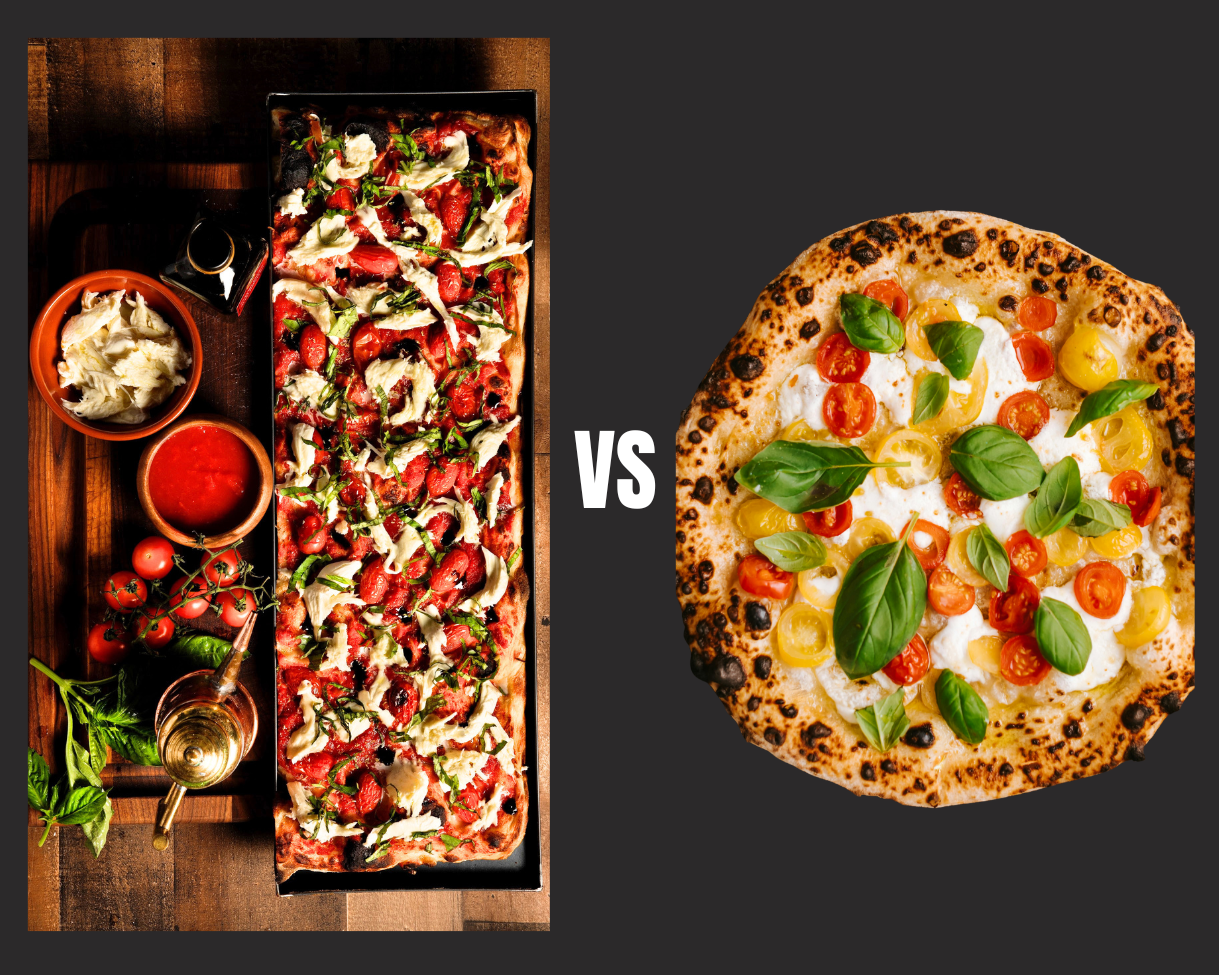
Many people wonder whether Roman Pizza vs Neapolitan Pizza is simply a matter of thickness, but the differences go far beyond appearance.
What You’ll Learn
In this article, you’ll discover:
How authentic Roman pizza has evolved into one of the fastest-growing pizza styles worldwide.
The history behind Roman and Neapolitan pizza.
The main differences in texture, shape, and baking style.
Why each style requires a different approach.
Which pizza style might suit your personal preferences.
The Origins of Neapolitan Pizza
Neapolitan pizza was born in Naples, where simple ingredients and skilled craftsmanship created one of Italy’s most iconic dishes.
Traditionally baked in a wood-fired oven at extremely high temperatures, Neapolitan pizza is known for its soft center, airy crust, and delicate balance of flavors. It has become so important to Italian culture that the art of Neapolitan pizza making has been recognized by UNESCO as an Intangible Cultural Heritage.
Its philosophy is rooted in simplicity: a few carefully selected ingredients, properly combined, create an exceptional pizza.

The Origins of Roman Pizza
Roman pizza tells a different story.
Rather than focusing on a single style, Roman pizza has evolved into several distinct variations, each designed to meet different needs and occasions.
The most famous include:
- Pizza al Taglio
- Pizza alla Pala
- Round Roman Pizza (Pizza Tonda Romana)
Although these styles differ from one another, they share common characteristics that distinguish them from Neapolitan pizza.
Roman pizza places great emphasis on crispness, lightness, versatility, and consistency, making it particularly popular in modern bakeries, pizzerias, and artisan pizza shops around the world.
Today, Roman pizza has become one of the fastest-growing segments within professional pizza making, attracting chefs, bakers, and entrepreneurs who appreciate its unique texture and commercial versatility.

Roman Pizza vs Neapolitan Pizza: The Main Differences
Although both styles are authentically Italian, they offer completely different eating experiences.
Shape
Neapolitan pizza is traditionally round with a pronounced raised edge (cornicione).
Roman pizza comes in several formats depending on the style, including rectangular trays, long oval paddles, and thin round pizzas.
Rather than focusing on appearance alone, each format has been developed to suit a particular way of serving and enjoying the pizza
Texture
Texture is perhaps the biggest difference between these two styles.
Neapolitan pizza is soft, tender, and highly elastic.
Roman pizza is generally known for its crispy exterior combined with a light and airy interior.
This contrast between crunch and lightness is one of the defining characteristics that has made Roman pizza increasingly popular worldwide.
Baking Style
Another important distinction lies in the baking process.
Neapolitan pizza is typically baked very quickly at extremely high temperatures inside a traditional wood-fired oven.
Roman pizza, depending on the specific style, follows different baking approaches designed to achieve its signature crispness while maintaining an open, airy crumb structure.
The baking method plays a crucial role in creating the final texture that distinguishes Roman pizza from its Neapolitan counterpart.
Ingredients: Simplicity Shared by Both Styles
One of the most beautiful aspects of Italian pizza is that both Roman and Neapolitan traditions rely on a relatively small number of ingredients. Flour, water, yeast, salt, tomato, mozzarella, olive oil, and carefully selected toppings form the foundation of both styles.
However, while the ingredient list may appear similar, the final result depends on how those ingredients are combined, handled, fermented, shaped, and baked.
This is why two pizzas made with seemingly identical ingredients can produce completely different textures and eating experiences.
Authentic pizza making is not about using more ingredients—it is about understanding how every decision influences the final product.
Which Pizza Is Crispier?
If you’re looking for a pizza with a light, crunchy bite, Roman pizza is generally the answer.
Many Roman pizza styles are celebrated for their crisp exterior while maintaining a surprisingly airy interior. This combination creates a texture that feels light rather than heavy, making it enjoyable even in larger portions.
Neapolitan pizza offers a different experience. Its soft center and tender crust are designed to be eaten immediately after leaving the oven, highlighting freshness and elasticity rather than crunch.
Neither style is better than the other—they simply deliver different experiences.
Which Style Is Better?
This is one of the most common questions among pizza lovers.
The honest answer is simple:
Neither style is objectively better.
Both Roman and Neapolitan pizza represent centuries of Italian tradition and craftsmanship.
Your preference depends on what you enjoy most.
You may prefer Neapolitan pizza if you enjoy:
- A soft and delicate crust.
- A traditional wood-fired pizza experience.
- A light meal served immediately after baking.
Roman pizza may be your favorite if you appreciate:
- A crisp texture.
- An airy interior.
- Versatile serving styles.
- Artisan bakery-style pizza.
- A pizza designed to remain enjoyable beyond the first few minutes after baking.
Understanding both styles allows you to appreciate the incredible diversity of Italian pizza culture.

Why Roman Pizza Is Growing Worldwide
Over the past decade, Roman pizza has gained remarkable popularity across Europe, North America, Asia, and South America.
Professional bakers, chefs, and entrepreneurs have discovered that Roman pizza offers exceptional versatility for modern pizzerias.
Its distinctive texture, attractive presentation, and adaptability have made it an increasingly popular choice for artisan bakeries, specialty pizza shops, and premium food concepts.
As consumer demand for authentic Italian food continues to grow, Roman pizza has become one of the most exciting segments within the global pizza industry.

👨🍳 Massimiliano’s Insight
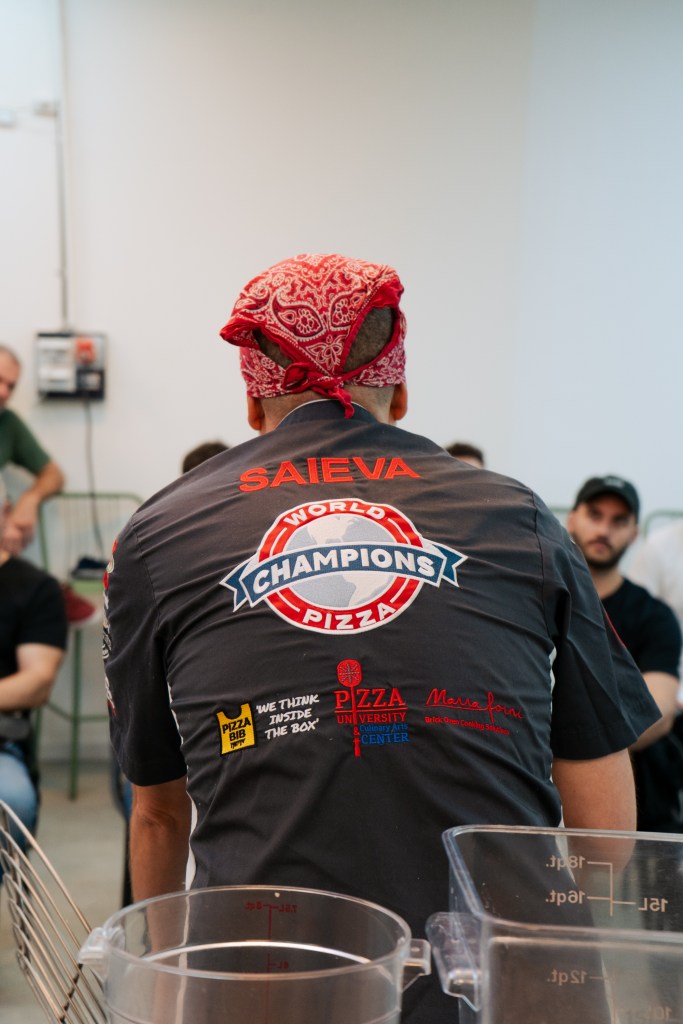
“After teaching Roman pizza in more than 15 countries, one of the biggest misconceptions I see is that people think Roman pizza is simply a thinner version of Neapolitan pizza. In reality, Roman pizza is a family of styles, each developed for a different purpose and eating experience.”
(World Pizza Champion Massimiliano Saieva)
Common Misconceptions
“Roman pizza is just thin pizza.”
Roman pizza includes several styles, each with its own identity, techniques, and characteristics. Reducing Roman pizza to simply being “thin” overlooks the richness of its tradition.
“Neapolitan pizza is always better because it’s more famous.”
Popularity does not determine quality.
Both styles are authentic Italian traditions with different objectives and different sensory experiences.
“The ingredients are completely different.”
In reality, many of the core ingredients are similar.
The differences emerge through technique, craftsmanship, baking methods, and the desired final texture—not through exotic ingredients.
Frequently Asked Questions
Is Roman pizza healthier than Neapolitan pizza?
Neither style can automatically be described as healthier. Nutritional value depends on portion size, toppings, ingredients, and preparation methods.
Is Roman pizza always rectangular?
No.
Roman pizza includes several styles, including rectangular tray pizza (Pizza al Taglio), oval Pizza alla Pala, and round Roman pizza.
Can Roman pizza be baked in different types of ovens?
Yes.
Different Roman pizza styles can be adapted to various professional baking environments, depending on the desired result and production needs.
Which style is easier to learn?
Both require dedication, practice, and an understanding of pizza fundamentals.
Each style presents its own technical challenges and rewards.
Understanding Roman Pizza vs Neapolitan Pizza helps pizza enthusiasts appreciate the diversity of authentic Italian pizza traditions.
Final Thoughts
Roman and Neapolitan pizza are not competitors—they are two extraordinary expressions of Italian culinary heritage.
Understanding the differences between them allows pizza enthusiasts to appreciate the diversity, craftsmanship, and tradition that define authentic Italian pizza.
Whether you enjoy the soft elegance of Neapolitan pizza or the crisp character of Roman pizza, both styles demonstrate how simple ingredients can become something truly exceptional in the hands of skilled professionals.
Ready to Go Beyond the Basics?
This article introduces the fundamental differences between Roman and Neapolitan pizza, but understanding the concepts is only the beginning.
Mastering authentic Roman pizza requires a structured system, professional guidance, and years of practical experience distilled into a proven method.
The Roman PizzaLab Method® was developed by World Pizza Champion Massimiliano Saieva to help ambitious pizza makers build confidence, consistency, and professional-level skills through a clear, step-by-step learning experience.
Whether your goal is to improve your craft, start a pizza business, or expand your professional knowledge, the Method® provides a complete educational path designed specifically for Roman pizza.
Explore the Roman PizzaLab Method® and take the next step in your pizza journey.
If learning the differences between Roman Pizza vs Neapolitan Pizza has inspired you to explore authentic Roman pizza, the Roman PizzaLab Method® is the next step.

From World Pizza Champion Massimiliano Saieva
“One of the biggest misconceptions I see around the world is that Roman pizza is simply a thinner version of Neapolitan pizza. In reality, each style has its own identity, technique and purpose.”
Continue learning:
Roman Pizza Dough: Hydration, Fermentation and the Science Behind the Crunch →
What Is Roman Pizza? The Complete Guide to Italy’s Crispiest Pizza →