
Roman pizza dough is much more than a combination of flour, water, yeast and salt. Its distinctive texture comes from understanding how ingredients, fermentation, dough development and baking work together.
The goal is not simply to make a dough with large air pockets. A well-made Roman pizza should combine a light, airy internal structure with a crisp exterior and enough strength to support its toppings.
That balance is one of the defining characteristics of professional Roman pizza.
Roman Pizza Dough Hydration: Why Water Matters
Hydration is one of the key factors that defines Roman pizza dough. The amount of water in the dough affects gluten development, fermentation, handling, baking performance, and ultimately the texture of the finished pizza.
In Roman pizza, hydration cannot be considered in isolation. Flour strength, fermentation time, temperature, mixing technique, and the desired final texture all influence how much water the dough can effectively absorb and retain.
That is why a higher hydration dough is not automatically a better dough. The goal is to achieve the right balance between hydration, structure, fermentation, and crispness.

What Makes Roman Pizza Dough Different?
Roman pizza is immediately recognizable by its structure.
Depending on the style, particularly pizza al taglio and pizza in teglia, the dough develops an open crumb while maintaining a crisp base and exterior.
This texture is not created by one ingredient or one technique.
It is the result of several variables working together:
- flour characteristics
- hydration
- gluten development
- fermentation
- temperature
- dough handling
- baking
Changing just one of these variables can affect the final result.
That is why professional pizza making requires understanding the dough rather than simply following a recipe.
Hydration in Roman Pizza Dough
Hydration describes the relationship between the amount of water and flour in a dough.
For example, if a dough contains 1,000 grams of flour and 700 grams of water, it has 70% hydration.
Higher hydration is often associated with Roman pizza because additional water can contribute to a lighter and more open internal structure.
But there is an important misconception:
More water does not automatically produce better Roman pizza.
A highly hydrated dough that has not developed enough structure can become difficult to handle and may produce inconsistent results.
The appropriate hydration depends on several factors, including the flour being used, fermentation strategy, mixing process and desired final product.
The objective is therefore not to achieve the highest possible hydration.
The objective is to achieve the right balance between extensibility, strength and structure.
Why Flour Matters
Flour plays a fundamental role in Roman pizza dough.
Different flours absorb water differently and develop different levels of strength and elasticity.
This means that copying the hydration percentage from another recipe without considering the characteristics of the flour can lead to completely different results.
Professional pizza makers learn to evaluate how flour behaves during mixing and fermentation rather than relying exclusively on percentages.
The flour, hydration and fermentation strategy must work as a system.

Fermentation: Where Flavor and Structure Develop
Fermentation is another essential part of Roman pizza.
During fermentation, yeast produces gases that become trapped within the developing dough structure. At the same time, complex biological and enzymatic processes contribute to flavor, aroma and dough characteristics.
But longer fermentation is not automatically better.
Time must work together with temperature, yeast quantity, flour characteristics and dough development.
If fermentation is poorly controlled, the dough can lose strength or become difficult to manage.
The goal is controlled fermentation, not simply long fermentation.

The Importance of Dough Structure
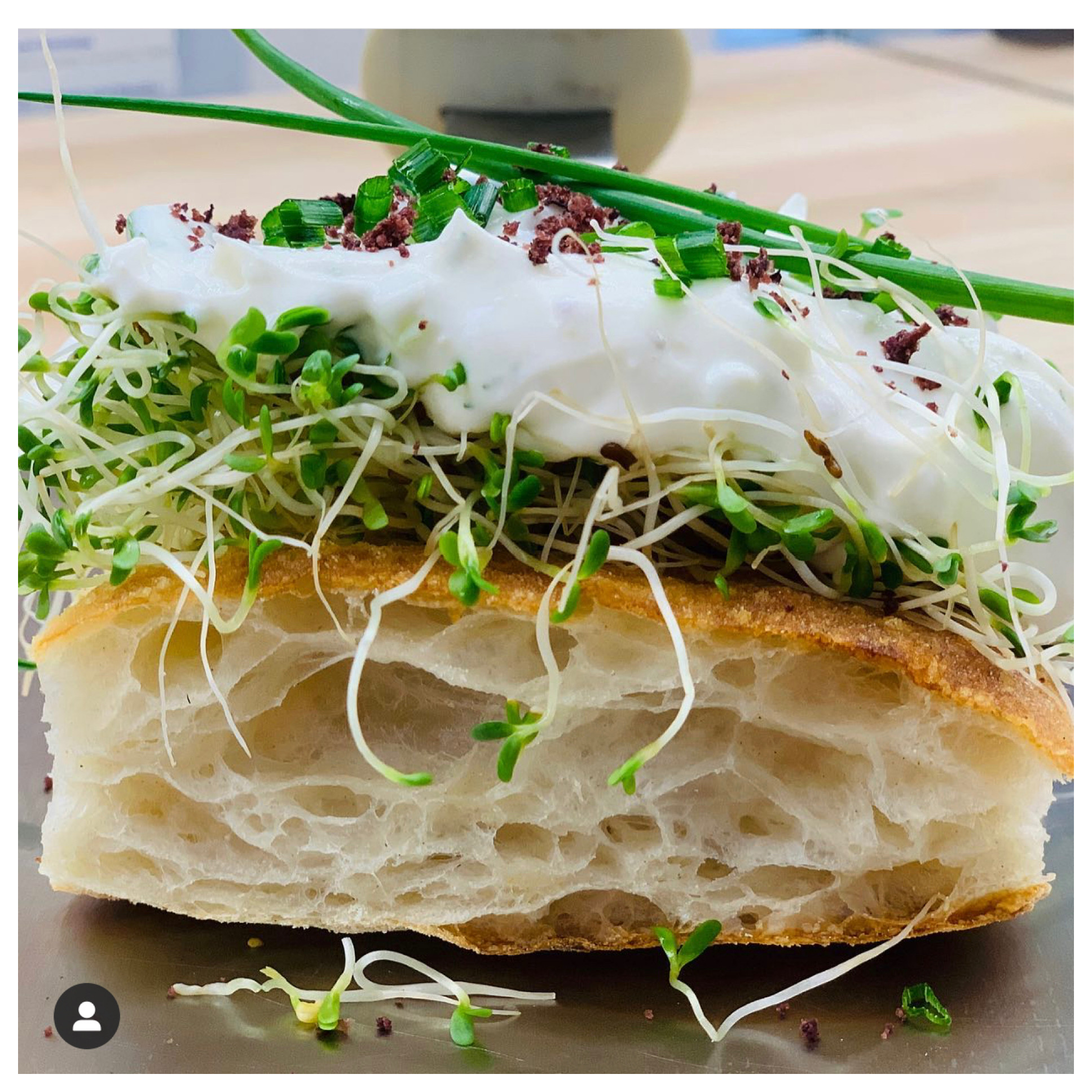
One of the most impressive characteristics of Roman pizza is its internal crumb.
When you cut a properly prepared slice, you may see an irregular network of air pockets throughout the dough.
But large bubbles alone are not the objective.
The internal structure must also have enough strength to maintain its shape.
This is where gluten development, fermentation and careful dough handling become particularly important.
The pizza maker must preserve the gases developed during fermentation while preparing the dough for baking.
Aggressive handling can destroy much of the structure that took hours to develop.
Why Roman Pizza Becomes So Crispy
The characteristic crunch of Roman pizza is created during baking.
Heat causes rapid changes inside the dough. Water turns into steam, gases expand and the dough structure sets.
At the same time, moisture is progressively removed from the exterior.
The result, when the process is properly controlled, is the contrast Roman pizza is known for:
crispy on the outside, light and airy inside.
The oven, baking surface, temperature and baking strategy therefore play an important role in the final texture.
A beautifully fermented dough can still produce disappointing pizza if it is baked incorrectly.
Common Mistakes When Making Roman Pizza Dough
Many problems attributed to a “bad recipe” are actually caused by misunderstanding the process.
Common mistakes include using hydration levels that the flour cannot support, focusing on fermentation time without controlling temperature, insufficient dough development, aggressive handling and incorrect baking.
Another common mistake is changing several variables simultaneously.
Professional dough development requires understanding cause and effect.
If you change the flour, hydration, yeast, fermentation time and temperature at the same time, it becomes difficult to identify what actually improved—or damaged—the result.


Roman Pizza Is a Method, Not Just a Recipe
This is perhaps the most important principle.
A recipe gives you quantities.
A method teaches you why those quantities and processes work together.
Once you understand hydration, flour, fermentation, dough development and baking, you can begin adapting the process to different environments, ingredients and production requirements.
That is particularly important for professional pizzaiolos and pizzeria owners, where consistency matters just as much as producing one excellent pizza.
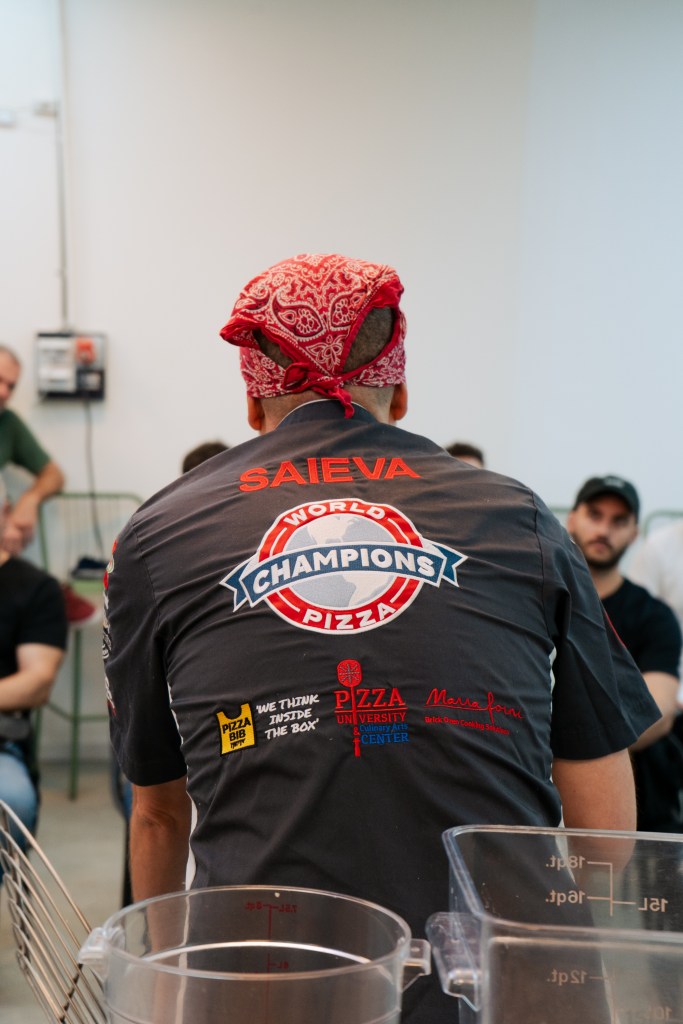
At Roman PizzaLab, this scientific approach to dough is central to the Roman PizzaLab Method® developed and taught by World Pizza Champion Massimiliano Saieva.
The objective is not simply to reproduce a formula.
It is to understand the principles well enough to control the result.
Learn the Roman PizzaLab Method®
If you want to move beyond recipes and understand the complete professional process behind Roman pizza, the Roman PizzaLab Method® teaches the system step by step—from dough development and fermentation to handling and baking.

Continue Learning Roman Pizza
Want to go deeper into the craft of authentic Roman pizza?
New to Roman pizza?
Discover what makes it unique in our guide: What Is Roman Pizza? The Complete Guide to Italy’s Crispiest Pizza →
Want to understand the differences between Italian pizza styles?
Read: Roman Pizza vs Neapolitan Pizza: What’s the Difference? →
Ready to master the complete process?
Learn the professional techniques behind dough preparation, fermentation, baking and consistency inside the Roman PizzaLab Method® →
Recipes Tell You What to Do. Understanding Tells You Why.
Learning Roman pizza isn’t about memorizing a formula.
It’s about understanding dough, fermentation, hydration, temperature and baking
so you can make consistent decisions in any environment.
The Roman PizzaLab Method® was created to teach exactly that.